
Department
Surgical-gastroenterology
Consult surgical gastroenterology specialists at Santosh Hospital, Fraser Town for gallstones, hernia, appendix, intestinal and colorectal conditions, laparoscopic and emergency abdominal surgery.
Speak to our team
+91 86182 92628Surgical Gastroenterology Hospital in Fraser Town, Bangalore
Persistent abdominal pain, gallstones, appendicitis, hernia, intestinal blockage and certain stomach or bowel conditions may sometimes require more than medicines alone. When a digestive condition requires surgical evaluation, patients may be referred to a surgical gastroenterologist or gastrointestinal surgeon.
The Department of Surgical Gastroenterology at Santosh Hospital, Fraser Town provides evaluation and surgical care for selected conditions involving the gastrointestinal tract and abdominal organs.
Care may include evaluation for gallbladder disease, appendicitis, hernias, intestinal conditions, colorectal disorders and other abdominal problems that may require laparoscopic, planned or emergency surgery.
Santosh Hospital is located at 6/1, Promenade Road, behind Coles Park, Pulikeshi Nagar, Fraser Town, Bengaluru.
The 150-bed multispeciality hospital has served patients for 40 years and is supported by 100+ doctors, 30+ OPDs, operation theatres, ICU, diagnostics and pharmacy services.
This multispeciality setup is particularly relevant for gastrointestinal surgery because patients may require diagnostic evaluation, anaesthesia assessment, surgery, inpatient monitoring and support from other medical specialties during their treatment.
What Is Surgical Gastroenterology?
Surgical gastroenterology is a surgical specialty concerned with diseases of the digestive system that may require an operation or another surgical procedure.
The gastrointestinal system includes the:
Oesophagus or food pipe
Stomach
Small intestine
Large intestine
Colon
Rectum
Gallbladder
Bile ducts
Liver
Pancreas
Abdominal wall in conditions such as hernia
Not every gastrointestinal condition requires surgery.
Many digestive conditions can be managed by a medical gastroenterologist using medicines, diet modification, endoscopic procedures and monitoring.
A surgical gastroenterologist becomes involved when the underlying condition is more appropriately treated through surgery or requires surgical assessment.
Medical Gastroenterology vs Surgical Gastroenterology
Patients frequently search for a "gastro doctor" without knowing which specialist they require.
The difference depends primarily on whether the condition requires medical or surgical treatment.
Medical Gastroenterology
Surgical Gastroenterology
Primarily manages digestive diseases using medicines, investigations and endoscopic evaluation
Manages gastrointestinal conditions that may require an operation
Commonly manages acidity, GERD, IBS, IBD and liver disorders medically
Commonly evaluates gallstones, appendicitis, hernias and selected intestinal or colorectal surgical conditions
May perform diagnostic or therapeutic endoscopy
Performs appropriate abdominal, laparoscopic and gastrointestinal surgical procedures
May refer a patient to a surgeon when surgery becomes necessary
May coordinate with a medical gastroenterologist before or after surgery
Focuses mainly on medical disease management
Focuses mainly on operative and perioperative management
Patients do not always need to decide the specialty themselves. Initial medical evaluation can determine whether medical treatment or surgical consultation is appropriate.
Conditions Evaluated by the Surgical Gastroenterology Team
The Surgical Gastroenterology Department may evaluate patients with:
Gallstones
Gallbladder inflammation
Appendicitis
Inguinal hernia
Umbilical hernia
Incisional hernia
Recurrent hernia
Intestinal obstruction
Selected intestinal disorders
Gastrointestinal perforation
Selected stomach conditions requiring surgery
Selected small bowel conditions
Colon and rectal conditions
Selected anorectal disorders
Acute abdominal conditions
Abdominal infections requiring surgical evaluation
Complications of gastrointestinal diseases requiring surgery
Abdominal emergencies
The exact treatment depends on the diagnosis, severity of disease, patient's overall health and whether emergency intervention is required.
Surgical Gastroenterology Treatments and Services
Treatment or Service
Commonly Considered For
Treatment Approach
Surgical Gastroenterology Consultation
Gastrointestinal conditions potentially requiring surgery
Specialist evaluation and surgical planning
Laparoscopic Surgery
Selected abdominal conditions
Minimally invasive surgery through small incisions where suitable
Gallbladder Surgery
Symptomatic gallstones or gallbladder disease
Gallbladder removal when clinically indicated
Appendix Surgery
Acute or recurrent appendicitis where surgery is indicated
Appendectomy
Hernia Surgery
Inguinal, umbilical, incisional and selected other hernias
Open or laparoscopic repair depending on condition
Intestinal Surgery
Selected bowel diseases, obstruction or complications
Condition-specific surgical management
Emergency Abdominal Surgery
Acute abdominal emergencies
Urgent assessment and surgery where necessary
Gastrointestinal Perforation Surgery
Perforation of the stomach or intestine
Emergency surgical repair where indicated
Colorectal Surgery
Selected diseases affecting the colon or rectum
Condition-specific surgical management
Anorectal Surgery
Selected piles, fissure or fistula conditions
Medical or surgical management depending on diagnosis
Abdominal Trauma Surgery
Selected injuries affecting abdominal organs
Emergency evaluation and intervention
Postoperative Gastrointestinal Care
Recovery following abdominal surgery
Monitoring, medication, nutrition and follow-up
Laparoscopic Gastrointestinal Surgery
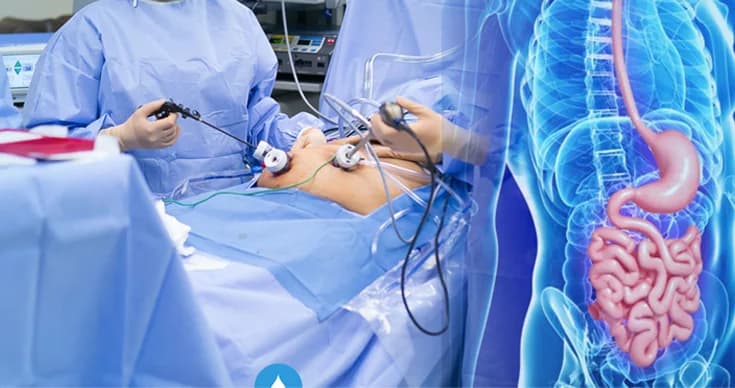
Laparoscopic surgery is a minimally invasive surgical technique used for selected abdominal procedures.
Instead of making one large incision, the surgeon generally performs the operation through several smaller openings using a camera and specialised surgical instruments.
Depending on the condition and patient suitability, laparoscopic surgery may be considered for procedures such as:
Gallbladder removal
Appendix removal
Selected hernia repairs
Selected intestinal procedures
Other abdominal operations where clinically appropriate
What are the potential advantages of laparoscopic surgery?
Depending on the procedure and individual patient, potential benefits can include:
Smaller incisions
Less postoperative wound discomfort
Shorter hospital stay in selected cases
Earlier mobilisation
Smaller surgical scars
Potentially faster return to routine activity
These advantages are not identical for every patient.
The decision between laparoscopic and open surgery depends on the disease, previous operations, severity of the condition, patient's health and surgical findings.
Gallstones and Gallbladder Surgery
Gallstones are hardened deposits that develop inside the gallbladder.
Many people may have gallstones without symptoms. In such cases, surgery is not automatically required.
Gallstones become more clinically important when they cause repeated symptoms or complications.
Symptoms of gallstone disease may include:
Pain in the upper right abdomen
Pain after fatty or heavy meals
Pain extending toward the back or right shoulder
Nausea
Vomiting
Recurrent episodes of upper abdominal pain
Fever if infection develops
Jaundice if bile flow becomes obstructed
A surgical gastroenterologist evaluates whether gallstones are responsible for the symptoms and whether surgery is appropriate.
Laparoscopic Gallbladder Surgery
Gallbladder removal is medically known as cholecystectomy.
Laparoscopic cholecystectomy is commonly considered when symptomatic gallstones or certain gallbladder diseases require surgical treatment.
During the operation, the gallbladder is removed through small abdominal incisions using laparoscopic instruments.
Not every patient with gallstones requires immediate surgery.
The decision depends on:
Symptoms
Frequency of attacks
Evidence of inflammation
Bile duct involvement
Other complications
Patient's overall health
Patients should undergo proper evaluation before deciding on surgery.
When Can Gallstones Become an Emergency?
Gallstone-related symptoms should be evaluated urgently when abdominal pain is accompanied by:
Persistent severe pain
Fever
Repeated vomiting
Yellowing of the eyes or skin
Severe weakness
Increasing abdominal tenderness
These symptoms can indicate complications involving the gallbladder, bile ducts or pancreas and require medical assessment.
Appendicitis Treatment
Appendicitis occurs when the appendix becomes inflamed.
It commonly causes abdominal pain that may begin around the centre of the abdomen and later become more prominent on the lower right side.
Possible symptoms include:
Increasing abdominal pain
Pain in the lower right abdomen
Loss of appetite
Nausea
Vomiting
Fever
Pain while walking or moving
Increasing abdominal tenderness
Symptoms vary between patients, and not every lower-right abdominal pain is appendicitis.
Clinical examination and appropriate investigations help establish the diagnosis.
Appendix Surgery
Surgical removal of the appendix is called an appendectomy.
Surgery may be recommended when appendicitis is confirmed and operative management is considered appropriate.
Appendectomy may be performed through:
Laparoscopic surgery
Open surgery in selected situations
The surgeon chooses the appropriate approach according to the patient's condition and clinical findings.
Why Should Appendicitis Not Be Ignored?
Untreated appendicitis may progress and can lead to complications such as perforation or infection inside the abdomen.
Patients with increasing abdominal pain, fever, vomiting and significant tenderness should seek medical assessment rather than repeatedly taking painkillers and waiting for symptoms to resolve.
Hernia Treatment
A hernia occurs when tissue or an internal organ pushes through a weak area in the abdominal wall.
Common types include:
Inguinal hernia
Umbilical hernia
Incisional hernia
Recurrent hernia
Other abdominal wall hernias
A patient may notice:
A swelling or lump
Swelling in the groin
Swelling around the navel
Discomfort during coughing
Pain while lifting
Increased swelling while standing
A swelling that reduces while lying down
Unlike some muscle injuries, an established hernia generally does not simply disappear because of medicines.
However, the timing and type of treatment depend on the size, symptoms, type of hernia and patient's health.
Hernia Surgery
Hernia repair may be performed using:
Open surgery
Laparoscopic surgery in suitable cases
During surgery, the protruding tissue is managed and the weakened abdominal wall is repaired.
The surgeon decides the surgical approach after evaluating:
Type of hernia
Size
Location
Previous abdominal surgery
Whether the hernia has recurred
Patient age
Existing medical conditions
When Does a Hernia Need Urgent Attention?
Seek urgent medical evaluation if a hernia becomes:
Suddenly very painful
Hard or tender
Unable to go back inside
Associated with vomiting
Associated with severe abdominal pain
Associated with abdominal swelling
Associated with inability to pass stool or gas
These symptoms may indicate obstruction or compromised blood supply to the hernia contents.
Intestinal Obstruction
An intestinal obstruction occurs when the normal movement of food, fluid and gas through the intestine becomes partially or completely blocked.
Possible symptoms include:
Severe abdominal pain
Abdominal swelling
Repeated vomiting
Constipation
Inability to pass gas
Abdominal cramps
Several conditions can cause bowel obstruction.
Some patients can initially be managed without surgery, while others may require an operation.
The treatment depends on:
Cause of the obstruction
Location
Whether the blockage is complete
Blood supply to the intestine
Presence of perforation
Patient's overall condition
Suspected intestinal obstruction should be assessed in a hospital.
Gastrointestinal Perforation
A gastrointestinal perforation means that a hole has developed in part of the stomach or intestine.
This can allow gastrointestinal contents to enter the abdominal cavity and cause serious infection.
Possible warning symptoms include:
Sudden severe abdominal pain
Severe abdominal tenderness
Rigid or very tense abdomen
Fever
Vomiting
Rapid worsening of general condition
Gastrointestinal perforation can be a surgical emergency and requires urgent hospital evaluation.
Acute Abdomen and Emergency Gastrointestinal Surgery
The term acute abdomen refers to severe or rapidly developing abdominal symptoms that may require urgent diagnosis and sometimes surgery.
Possible causes include:
Appendicitis
Intestinal obstruction
Gastrointestinal perforation
Complicated gallbladder disease
Internal abdominal infection
Certain abdominal injuries
Other acute gastrointestinal conditions
Patients with severe unexplained abdominal pain should not rely solely on home remedies or repeated pain medication without evaluation.
Colorectal Conditions
The colon and rectum form the lower part of the digestive system.
Certain colorectal conditions may require surgical evaluation when medicines or other treatments are insufficient or when structural disease or complications are present.
Symptoms that may require evaluation include:
Persistent blood in stools
Recurrent lower abdominal pain
Major change in bowel habits
Persistent constipation or diarrhoea
Difficulty passing stools
Unexplained weight loss
Intestinal obstruction symptoms
Persistent rectal symptoms
These symptoms do not automatically mean that surgery is necessary.
They first require appropriate diagnosis.
Piles, Fissure and Fistula
Conditions affecting the anus and rectum are common and can cause pain, bleeding or discharge.
Piles
Piles, or haemorrhoids, are swollen blood vessels around the anus or lower rectum.
Common symptoms may include:
Bright red blood during bowel movements
Swelling
Itching
Discomfort
A lump near the anus
Anal Fissure
An anal fissure is a small tear in the lining of the anus.
It commonly causes:
Sharp pain while passing stool
Burning after bowel movement
Small amounts of fresh blood
Anal Fistula
An anal fistula is an abnormal tract that develops between the anal canal and nearby skin.
Symptoms may include:
Recurrent swelling
Pain
Pus discharge
Repeated infection around the anus
Not every patient requires the same treatment.
Evaluation is necessary to distinguish between piles, fissure and fistula because their management differs.
Stomach Conditions Requiring Surgical Evaluation
Most common stomach problems such as acidity, gastritis and uncomplicated ulcers are managed medically.
Surgical evaluation may be required for selected structural diseases or complications.
These can include situations such as:
Gastrointestinal perforation
Persistent obstruction
Severe complications of gastrointestinal disease
Selected growths or structural abnormalities
The Surgical Gastroenterology team works alongside medical specialists where combined evaluation is appropriate.
Gastrointestinal Cancer and Surgical Evaluation
Some tumours involving the digestive system may require surgical evaluation.
Possible gastrointestinal sites include the:
Oesophagus
Stomach
Colon
Rectum
Liver
Gallbladder
Pancreas
Cancer treatment is usually multidisciplinary and may involve gastroenterology, surgery, oncology, radiology, pathology and other specialties.
The exact treatment depends on:
Type of cancer
Location
Stage
Whether disease has spread
Patient's general health
Surgical suitability
Cancer surgery should always be planned after complete evaluation rather than based on symptoms alone.
When Should You Consult a Surgical Gastroenterologist?
Consider a surgical gastroenterology consultation when you have:
Symptomatic gallstones
Recurrent gallbladder pain
Suspected appendicitis
Hernia
Persistent abdominal swelling or lump
Intestinal obstruction
Gastrointestinal perforation
A gastrointestinal condition for which surgery has been advised
Selected colorectal conditions
Recurrent gastrointestinal symptoms requiring surgical evaluation
Persistent abdominal symptoms despite medical treatment
An abdominal emergency requiring surgical assessment
A surgical consultation does not automatically mean an operation will be performed.
The purpose of consultation is to determine whether surgery is actually required and which treatment approach is appropriate.
Symptoms That Need Emergency Hospital Evaluation
Seek urgent medical care for:
Sudden severe abdominal pain
Severe abdominal pain with fever
Persistent vomiting
Vomiting blood
Black stools with weakness
Significant blood in stools
Severe abdominal swelling
Inability to pass stool or gas with vomiting
A painful hernia that cannot be reduced
Severe right-sided abdominal pain with fever
Increasing right lower abdominal pain
Abdominal injury with worsening pain
Fainting or severe weakness associated with abdominal symptoms
These symptoms can occasionally indicate a serious abdominal condition and should be evaluated promptly.
How Are Surgical Gastrointestinal Conditions Diagnosed?
Diagnosis begins with the patient's symptoms, medical history and physical examination.
The surgeon may assess:
Location of abdominal pain
Duration of symptoms
Timing of symptoms
Vomiting
Bowel habits
Previous abdominal surgery
Existing medical conditions
Previous gastrointestinal disease
Presence of abdominal swelling
Fever
Weight changes
Depending on the condition, investigations may include:
Blood tests
Liver function tests
Ultrasound
X-ray
CT scan when indicated
Endoscopy when required
Colonoscopy when required
Other condition-specific investigations
Tests are selected according to the suspected diagnosis.
Surgical Gastroenterology Treatment Pathway at Santosh Hospital
A gastrointestinal surgical journey generally involves several stages.
1. Specialist Consultation
The surgeon evaluates the patient's symptoms, previous treatment and existing reports.
2. Diagnosis
Clinical examination and appropriate investigations help determine the underlying condition.
3. Assessment of Treatment Options
The specialist determines whether:
Medical management is sufficient
Further observation is appropriate
An elective operation should be considered
Urgent surgery is required
4. Preoperative Evaluation
Patients requiring surgery may undergo:
Blood investigations
Imaging where required
Anaesthesia assessment
Evaluation of existing medical conditions
Additional specialist opinion where necessary
5. Surgery
The surgical approach is selected according to the condition and patient suitability.
This may include laparoscopic or open surgery.
6. Postoperative Monitoring
Hospital monitoring depends on:
Type of surgery
Patient age
Existing health conditions
Complexity of the procedure
Recovery progress
7. Discharge and Follow-Up
Patients receive guidance regarding:
Medicines
Wound care
Diet
Physical activity
Follow-up visits
Warning symptoms requiring medical attention
Open Surgery vs Laparoscopic Surgery
There is no single surgical approach that is best for every gastrointestinal condition.
Laparoscopic Surgery
Open Surgery
Uses multiple small incisions
Usually involves a larger incision
Uses a camera to visualise the operative area
Surgeon accesses the operative area directly
May support earlier mobilisation in selected cases
May be preferable for certain complex or emergency conditions
Often used for selected planned abdominal procedures
May be required depending on disease severity or surgical findings
Suitability depends on the individual condition
Suitability depends on the individual condition
The surgeon recommends the approach based on safety and clinical requirements rather than incision size alone.
Surgical Gastroenterology Care Within a Multispeciality Hospital
Gastrointestinal surgery can require coordinated medical care, particularly for older patients or those with diabetes, hypertension, heart disease, kidney problems or other chronic conditions.
Santosh Hospital provides access to:
150 inpatient beds
Operation theatres
ICU
Diagnostics
Pharmacy
30+ OPDs
100+ doctors
Multiple medical and surgical specialties
This infrastructure can support patients through evaluation, surgery, postoperative monitoring and multidisciplinary consultation where clinically required.
ICU Support for Complex Surgical Patients
Not every gastrointestinal surgery requires ICU admission.
However, intensive monitoring may be necessary for selected patients undergoing complex surgery, emergency procedures or treatment for serious abdominal infection.
The need for ICU care is determined by the treating team according to the patient's condition.
Surgical Care for Patients With Diabetes, Heart Disease or Other Conditions
Existing medical conditions can affect surgical planning and recovery.
Before gastrointestinal surgery, patients may need evaluation for conditions such as:
Diabetes
Hypertension
Heart disease
Kidney disease
Lung disease
Anaemia
A multispeciality hospital allows the surgical team to coordinate with other physicians where necessary before or after an operation.
Surgical Gastroenterology in Fraser Town and Central Bangalore
Santosh Hospital is located on Promenade Road, behind Coles Park in Fraser Town, Bengaluru.
Patients looking for gastrointestinal or abdominal surgical care can access the hospital from:
Fraser Town
Pulikeshi Nagar
Coles Park
Cox Town
Cooke Town
Richards Town
Benson Town
Shivajinagar
Vasanth Nagar
Bengaluru Cantonment
Ulsoor
Nearby areas of central Bengaluru
Patients searching for a gastro surgeon near Coles Park, surgical gastroenterologist near Cox Town, laparoscopic surgeon near Cooke Town or gastrointestinal surgeon near Shivajinagar can access Santosh Hospital through its Fraser Town location.
Why Choose Santosh Hospital for Surgical Gastroenterology?
40 Years of Healthcare Service
Santosh Hospital has served patients for 40 years, providing medical and surgical care in Bengaluru.
150-Bed Multispeciality Hospital
The hospital provides inpatient infrastructure for patients requiring planned surgery, emergency intervention and postoperative observation.
Surgical and Laparoscopic Care
The surgical team evaluates patients requiring abdominal, gastrointestinal and selected laparoscopic procedures based on clinical need.
Operation Theatre Infrastructure
Santosh Hospital has operation theatre facilities to support surgical procedures.
ICU Support
Patients who require intensive monitoring following complex illness or surgery can access ICU care when clinically indicated.
Diagnostic Support
Diagnostic services support investigation, preoperative assessment and postoperative monitoring.
100+ Doctors
More than 100 doctors across medical and surgical specialties support multidisciplinary patient care.
30+ OPDs
Multiple specialty outpatient departments help patients access relevant consultations within one hospital.
Pharmacy
In-house pharmacy services provide additional convenience for patients during treatment and recovery.
Frequently Asked Questions About Surgical Gastroenterology
What does a surgical gastroenterologist treat?
A surgical gastroenterologist manages selected diseases affecting the digestive system and abdominal organs that may require surgery. These can include gallstones, appendicitis, hernia, intestinal obstruction, gastrointestinal perforation and selected colorectal or abdominal conditions.
What is the difference between a gastroenterologist and a gastro surgeon?
A medical gastroenterologist primarily manages digestive diseases using medicines, investigations and endoscopic procedures. A surgical gastroenterologist evaluates and operates on gastrointestinal conditions that require surgical treatment.
Which doctor should I consult for gallstones?
A gastroenterologist or gastrointestinal surgeon can initially evaluate gallstones. Patients with symptomatic gallstones or gallbladder complications may require assessment by a surgeon to determine whether gallbladder removal is appropriate.
Does every gallstone require surgery?
No. Gallstones that are not causing symptoms may not always require immediate surgery. Treatment depends on symptoms, complications and individual clinical findings.
What operation is performed for gallstones?
When gallbladder removal is indicated, the operation is called cholecystectomy. It is commonly performed using a laparoscopic approach in suitable patients.
Is gallbladder surgery possible through laparoscopy?
Laparoscopic gallbladder removal is commonly used for appropriate patients with gallbladder disease. Suitability is determined after surgical evaluation.
Which doctor treats appendicitis?
Appendicitis requiring surgical management is treated by a surgeon. The diagnosis is established using clinical examination and appropriate investigations.
Is appendicitis an emergency?
Appendicitis can become an emergency because an inflamed appendix may perforate and cause infection inside the abdomen. Increasing abdominal pain, fever and vomiting require prompt medical assessment.
Which doctor should I consult for a hernia?
A general surgeon or gastrointestinal surgeon can evaluate a hernia and determine whether surgical repair is necessary.
Can a hernia heal without surgery?
An established abdominal wall hernia generally does not close permanently with medicines. However, whether and when surgery is required depends on symptoms, size, type of hernia and the patient's overall health.
What is laparoscopic hernia surgery?
Laparoscopic hernia repair uses small abdominal incisions, a camera and specialised instruments to repair the hernia in suitable patients.
What are the symptoms of intestinal obstruction?
Symptoms may include abdominal pain, swelling, repeated vomiting, constipation and inability to pass gas. Suspected complete obstruction requires urgent medical evaluation.
Is intestinal obstruction always treated with surgery?
No. Treatment depends on the cause and severity of the obstruction. Some patients can be treated without surgery, while others require an operation.
What is gastrointestinal perforation?
Gastrointestinal perforation is a hole in part of the stomach or intestine. It can allow digestive contents to enter the abdominal cavity and may cause serious infection. It often requires urgent hospital evaluation.
When is abdominal pain a surgical emergency?
Sudden severe abdominal pain, especially when associated with fever, repeated vomiting, abdominal swelling, inability to pass stool or gas, fainting or severe tenderness, requires urgent medical assessment.
Is laparoscopic surgery better than open surgery?
Neither approach is universally better. Laparoscopic surgery can offer advantages for selected patients, while open surgery may be safer or necessary for certain complex or emergency conditions. The surgeon determines the appropriate approach.
How long does recovery take after gastrointestinal surgery?
Recovery varies considerably according to the operation, whether surgery was laparoscopic or open, the patient's health and whether complications are present. The treating surgeon can provide a more specific recovery timeline after the procedure is determined.
Does Santosh Hospital provide laparoscopic surgery?
Santosh Hospital provides general and laparoscopic surgical services. Whether a particular procedure can be performed laparoscopically depends on the patient's condition and specialist assessment.
Where can I consult a gastro surgeon in Fraser Town?
Patients can consult the surgical team at Santosh Hospital, located at 6/1 Promenade Road, behind Coles Park, Pulikeshi Nagar, Fraser Town, Bengaluru.
Can patients from Cox Town and Cooke Town visit Santosh Hospital for gastrointestinal surgery?
Yes. Santosh Hospital's Fraser Town location is accessible from Cox Town, Cooke Town, Richards Town, Benson Town, Pulikeshi Nagar, Shivajinagar and surrounding central Bengaluru areas.
Consult a Surgical Gastroenterologist at Santosh Hospital, Fraser Town
Gallstones, recurrent abdominal pain, appendicitis, hernia and intestinal conditions should be evaluated according to their underlying cause rather than treated repeatedly with temporary medicines.
If you have been advised gastrointestinal surgery or have symptoms that may require surgical evaluation, consult the Department of Surgical Gastroenterology at Santosh Hospital, Fraser Town, Bengaluru.
Santosh Hospital
6/1, Promenade Road, behind Coles Park
Pulikeshi Nagar, Fraser Town
Bengaluru, Karnataka 560005
What we treat
Treatments
3 treatments offered by this department.
Appointments
Book with Surgical-gastroenterology
Elsewhere in the hospital